Recipes
Getting to know Korean food, one table at a time
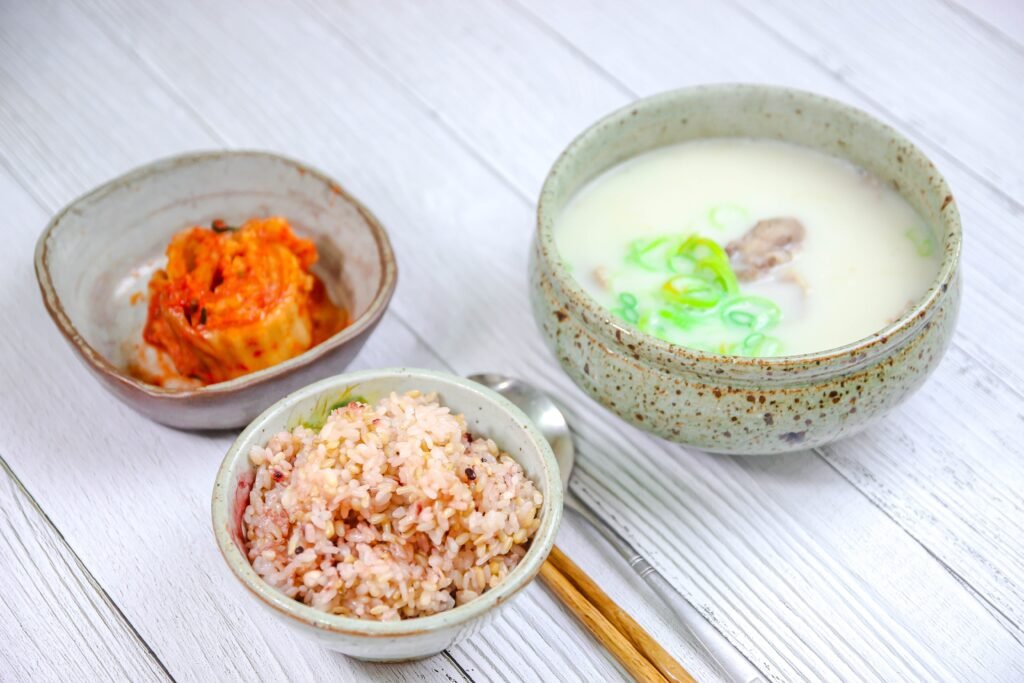
It All Starts with a Single Table
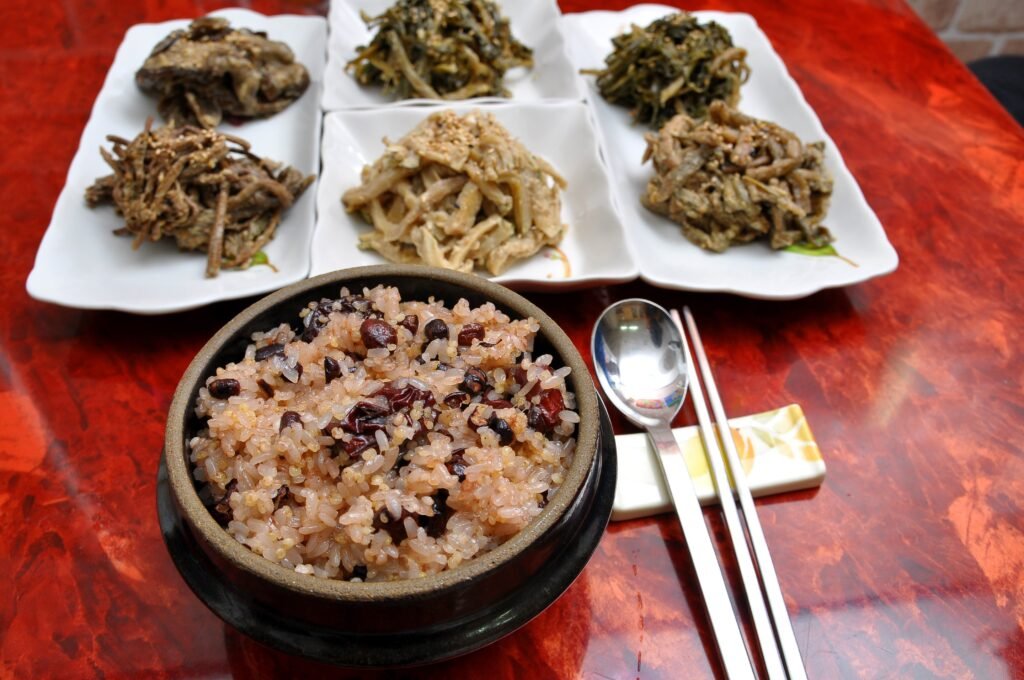
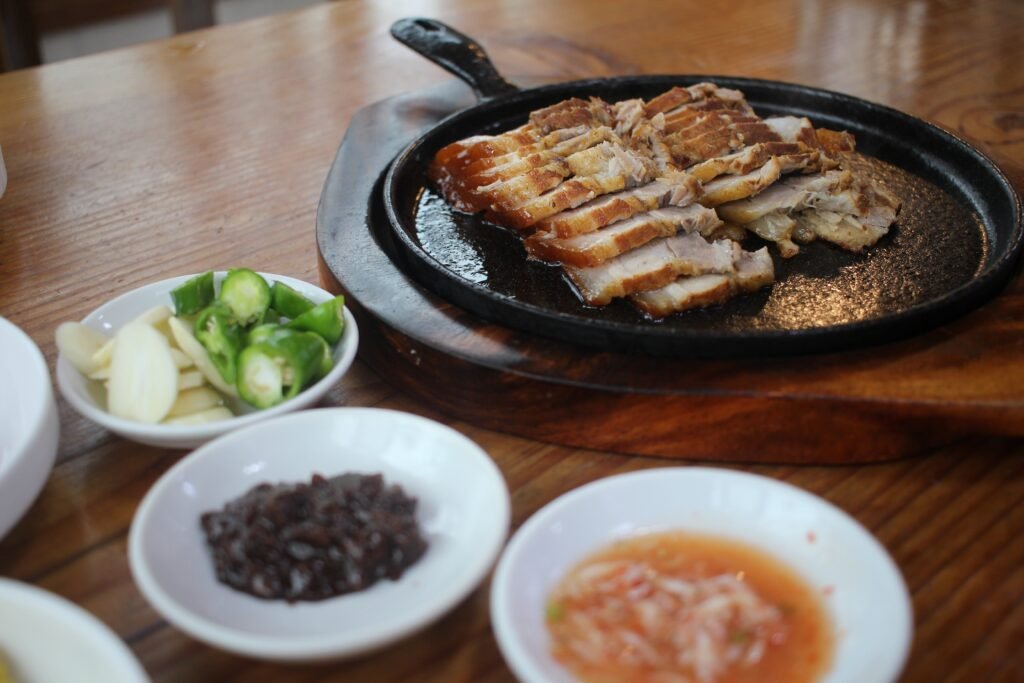
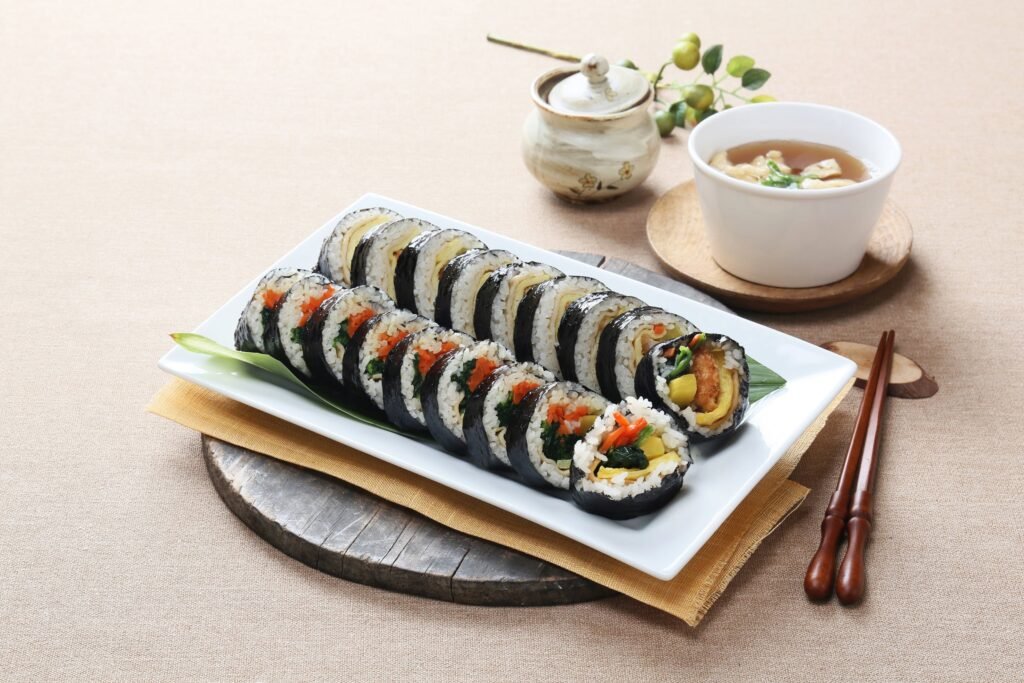
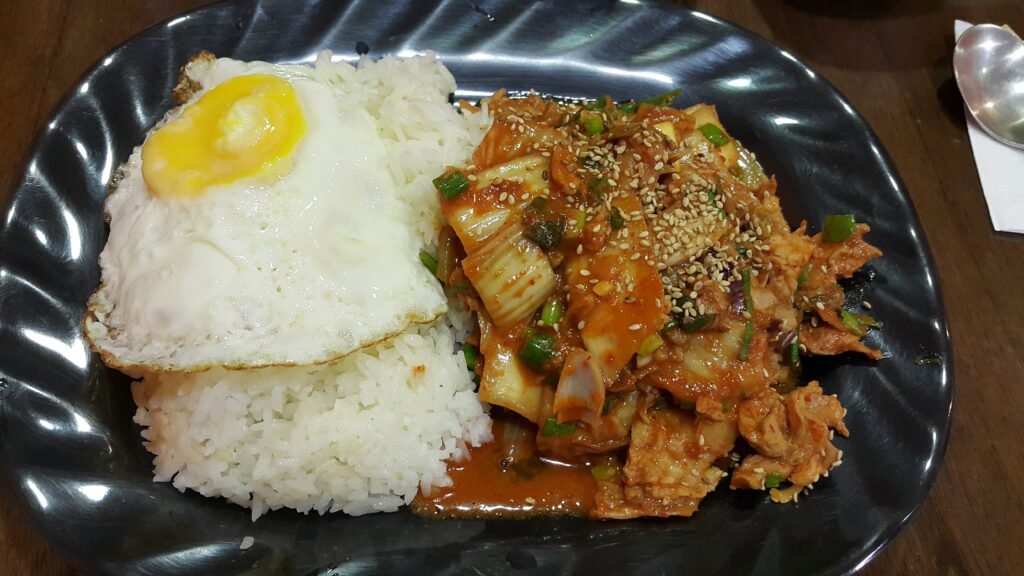
Many Western meals are served as courses: a starter, then a main, then dessert. A Korean meal works differently. Everything comes to the table at once, in what Koreans call a sang. Rice and soup sit at the center with an array of side dishes around them, and everyone helps themselves to whatever they like.
So the best way to understand Korean food is to start with how the whole table comes together, before looking at any single dish. Once you know the basic structure, Korean cooking feels much less unfamiliar and much easier to approach.
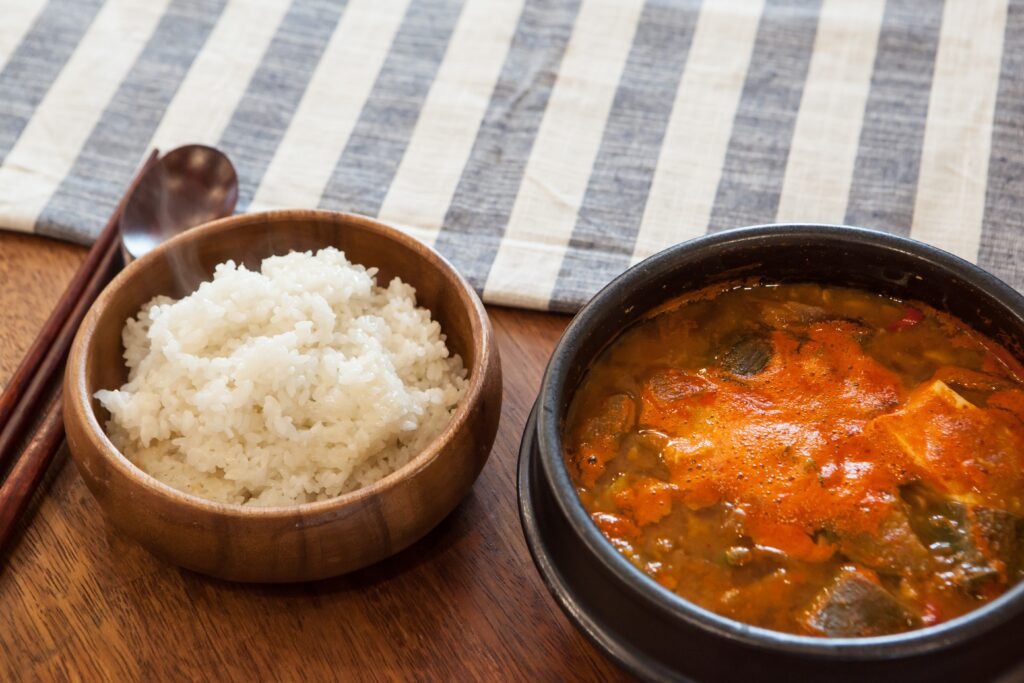
Rice, Soup, and Banchan
In Korean, the word bap means cooked rice, but it also means a meal. Koreans even greet each other by asking “Bap meogeosseoyo?” (“Have you eaten?”), which shows how central rice is to everyday life.
A bowl of warm soup sits next to the rice. Around them are banchan, side dishes made from vegetables, wild greens, tofu, fish, and more, and kimchi appears at nearly every meal. The banchan go in the middle for everyone to share. A Korean table is where you fill your stomach, and also where you share warmth with the people around you.
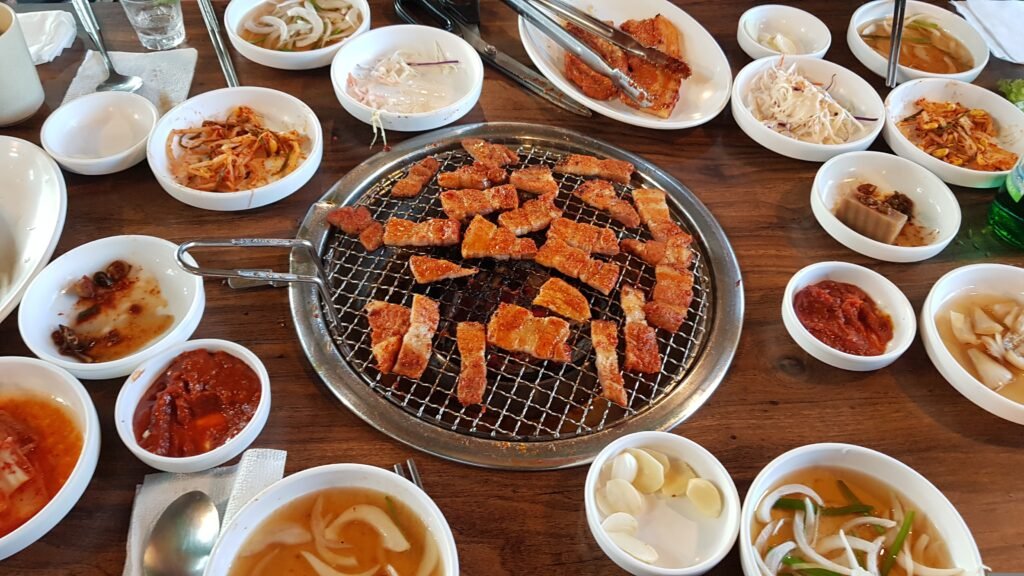
A Table Built on Balance
Balance is at the heart of the Korean table.
Grains and vegetables, fermented and fresh foods, warm and cool dishes, and mild and deep flavors all come together naturally. Side dishes made in different ways (blanched, tossed, braised, pan-fried) sit side by side, so the flavors and textures stay in harmony.
A spoonful of rice, a bite of banchan, a sip of soup. Moving from one flavor to the next is the real joy of eating Korean food.
Soy Sauce: The Heart of Korean Flavor
When people think of Korean food, red chili paste and fiery heat often come to mind first. But the seasoning Korean home kitchens have used most often, and for the longest time, is soy sauce, or ganjang.
Ganjang is made by fermenting soybeans and waiting patiently while time does its work. Long before chili peppers arrived in Korea, it set the standard for how Korean food was seasoned. Along with saltiness, it carries deep, savory umami and a subtle sweetness, so it brings out the natural flavor of ingredients instead of covering it up.
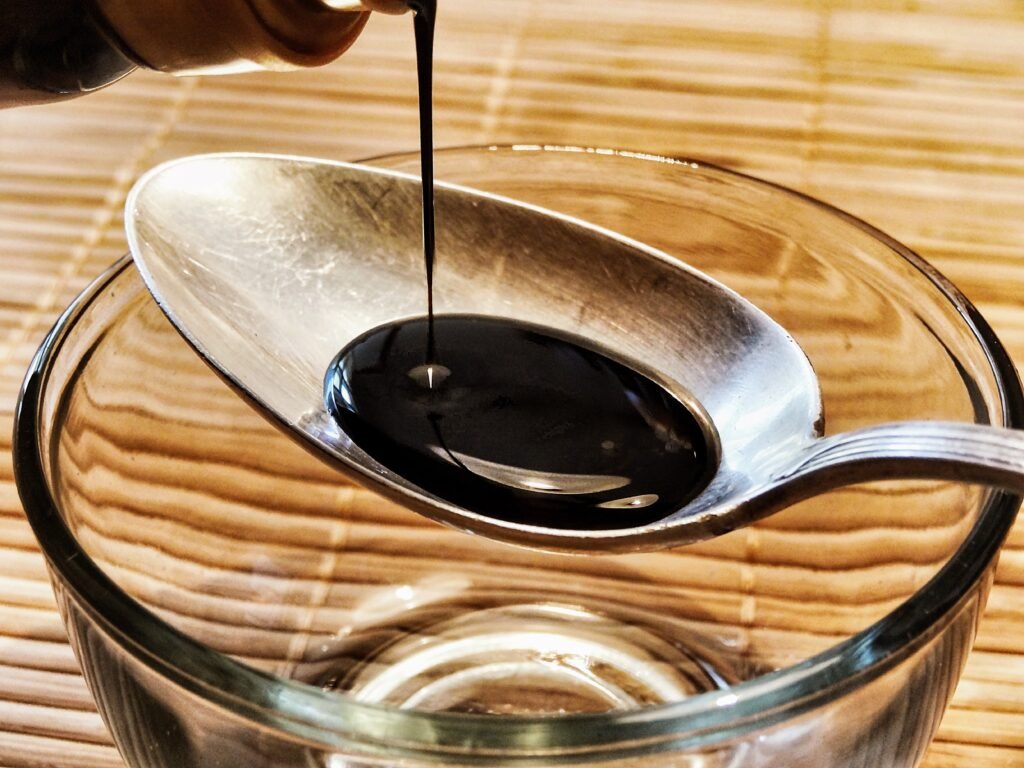
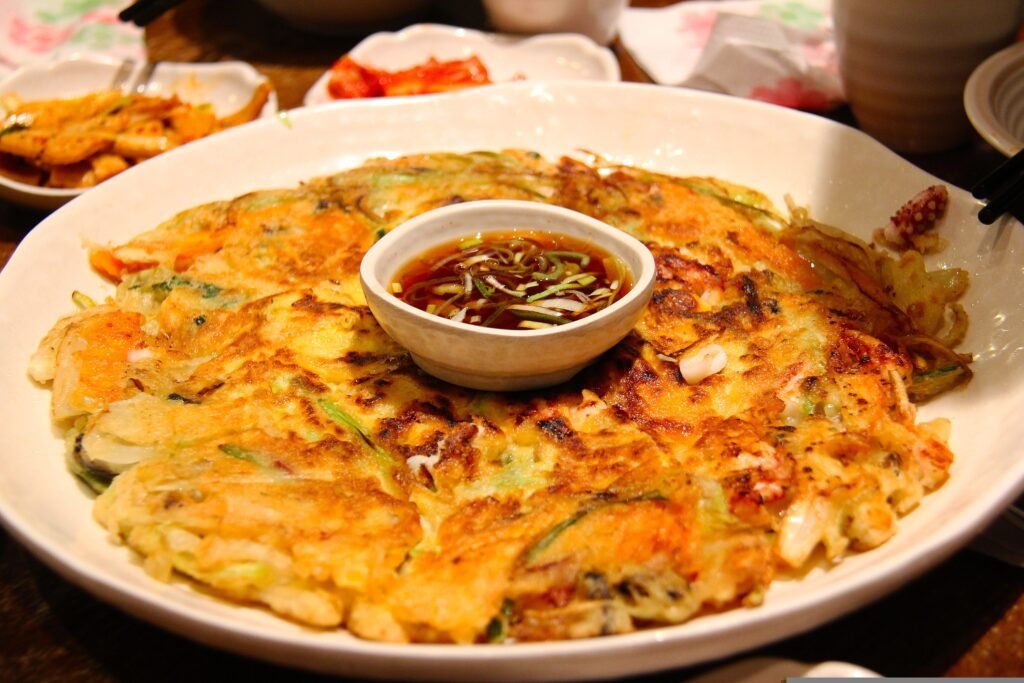
More Than Soy Sauce Alone
Still, Korean soy sauce dishes aren’t made with soy sauce alone.
Korean cooks add minced garlic and scallions, a touch of sweetness, sesame oil and toasted sesame seeds for nutty richness, and a pinch of black pepper to round it all out. For some dishes, grated Asian pear or onion adds a gentle, natural sweetness. The deep, balanced flavor we think of as Korean only comes through when all these ingredients are combined in the right proportions.
Koreans call this harmony son-mat, literally “the taste of one’s hands.” Every family has its own proportions, perfected by hand over many years, and those proportions become the flavor of their home. For anyone cooking Korean food for the first time, though, gathering all these ingredients and getting the balance right can be the biggest hurdle.
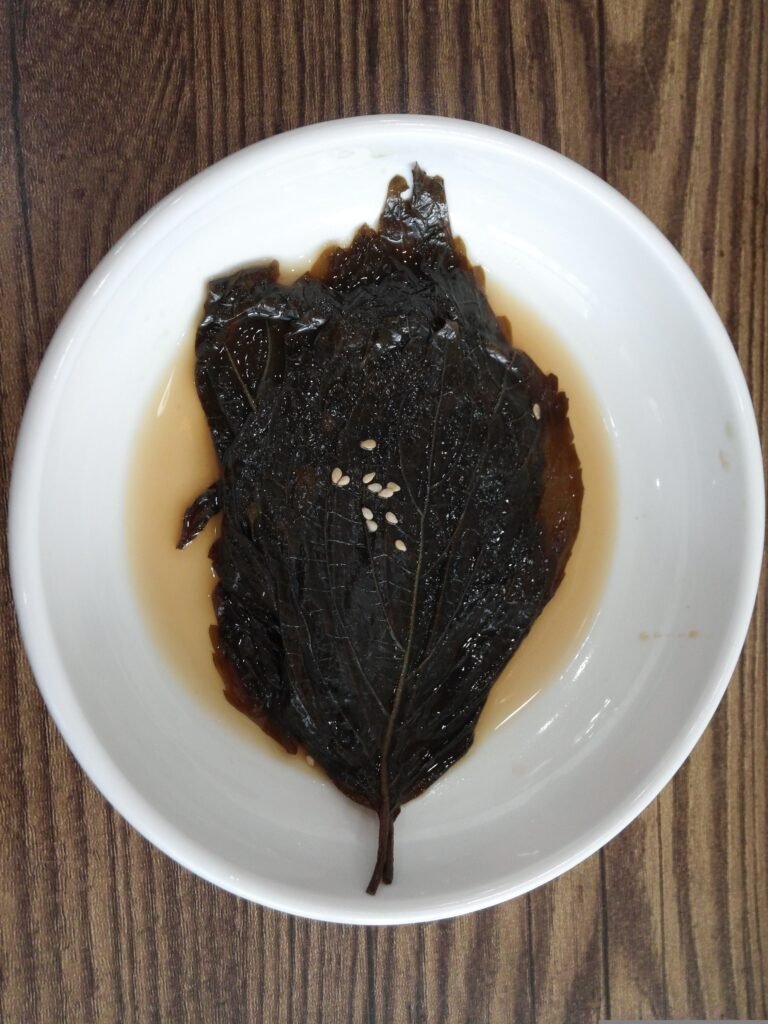
A Table Seasoned with Soy Sauce
Look closely at a Korean table and you’ll find soy-based seasoning almost everywhere.
Clear soups are seasoned with soy sauce, and greens are lightly tossed with soy sauce and sesame oil. Banchan slowly braised in soy sauce, such as dubu-jorim (braised tofu) and gamja-jorim (braised potatoes), stay delicious for days. Even Korean dishes loved around the world, like bulgogi and galbi-jjim (braised short ribs), are built on soy sauce seasoning.
Japchae shows the charm of soy-based seasoning best of all. Chewy glass noodles, colorful vegetables, and mushrooms are each stir-fried separately, then tossed together in a savory soy dressing. Japchae always appears at happy occasions like birthdays and holidays. With its bright colors and sweet-savory flavor, it’s often the first dish people new to Korean food fall in love with.
Dishes like these, seasoned with soy sauce, taste deep and comforting without being spicy. They show another side of Korean food, one that even people who aren’t used to heat can enjoy from the very first bite.
How easy on table Creates Its Recipes
Our recipes start from the simple, wholesome meals Korean families put on the table every day, and soy sauce is at their heart.
We want to create recipes anyone can follow comfortably in their own kitchen. That means using ingredients that are easy to find and tools you already have, featuring soy-based Korean dishes that are delicious without being spicy, and building recipes around the best ingredients of each season.
We’ve already taken care of the hardest part, which is getting the seasoning right. We studied the soy-based seasoning passed down in Korean kitchens for generations, chose quality ingredients one by one, and brought them together without any animal-derived ingredients. That way, people who eat plant-based and families with all kinds of diets can sit down at the same table. That seasoning is the All-Purpose Soy Sauce you’ll see throughout our recipes. All you have to do is pick your ingredients and enjoy cooking.
Setting a Korean table doesn’t mean cooking a long list of dishes at once. A bowl of rice, a bowl of soup, and a few soy-seasoned side dishes are all you need.
Your Table, Your Sang
There’s no single right way to cook Korean food. The same dish tastes a little different from one home to the next and from one region to another. It’s fine if you only have a few side dishes, or if your ingredients aren’t exactly the same. A meal made with good ingredients and real care is a true Korean table.
Set your own Korean table today with Easy On Table, in the easiest way possible.