
A table set by nature: discover Korea
The Korea You Haven’t Met
When people think of Korea, they often picture glittering city lights, K-pop, and bold, fiery food. All of these are part of Korea, but they’re far from the whole story.
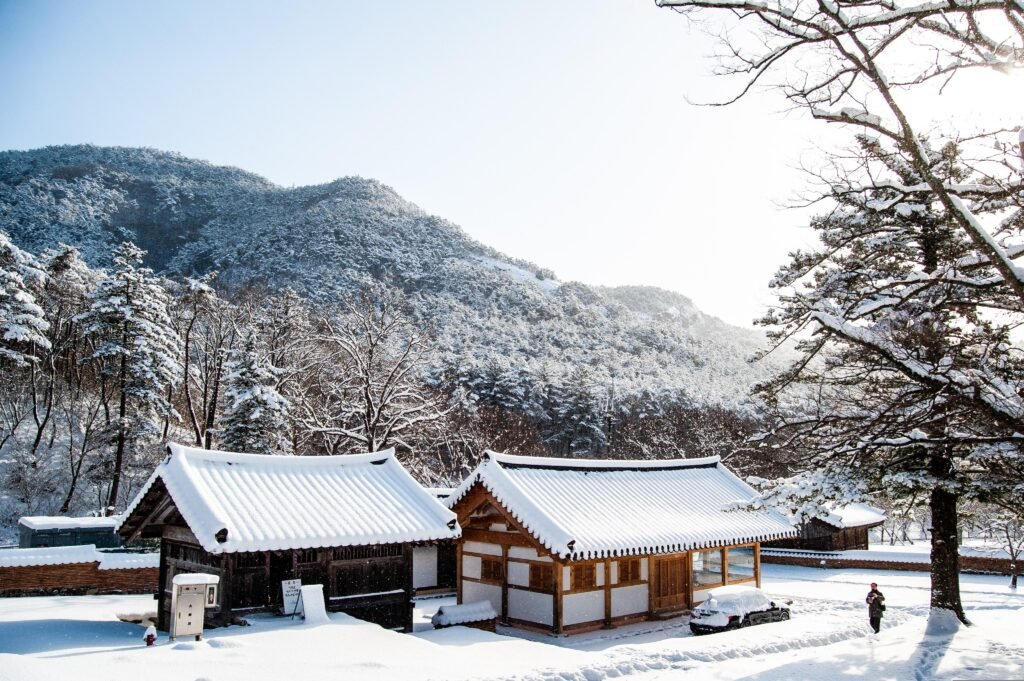
Step just outside the cities and you’ll find layer upon layer of mountains, winding rivers, and villages that change color with every season. In places like these, people have long set simple, wholesome tables with whatever the land provided.
Through Easy On Table, we hope to share this quieter side of Korea, along with the wisdom of the meals that have been passed down there.
A Land of Mountains, Seas, and Four Seasons
Korea is a small peninsula in East Asia. About 70 percent of its land is mountainous, and it’s surrounded by sea on three sides. The four seasons are distinct, so the same land offers entirely different ingredients as the year turns.
The mountains gave wild greens and grains, the fields gave rice and vegetables, and the sea gave fish and seaweed. With so many kinds of landscape, Korean food grew remarkably diverse from region to region and season to season.
Korean Flavor Is More Than Spice
Chili peppers arrived in Korea only about 400 years ago. Long before that, Korean cooking was built around grains, vegetables, and fermentation.
The traditional Korean table is mild and gentle. Greens are lightly blanched and tossed with soy sauce and sesame oil, clear soups are simmered, and side dishes are made from seasonal vegetables. Letting each ingredient’s natural flavor shine has always been the foundation of Korean cooking.
Flavors Shaped by Time: Fermentation
To understand Korean food, you have to understand patience.
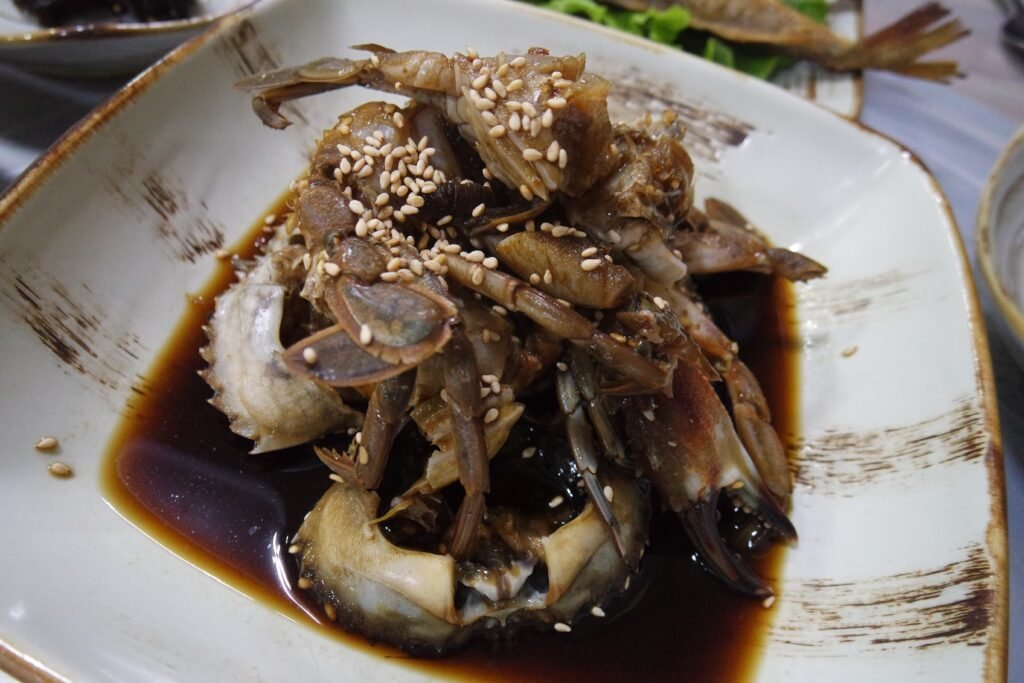
Jang (fermented sauces and pastes)
Soybeans are boiled and shaped into blocks called meju, then soaked in brine and left to mature for months in the sun and wind. This is how soy sauce (ganjang) and soybean paste (doenjang) are made, with chili paste (gochujang) joining them later. Jang is the backbone of Korean flavor. In 2024, the Korean tradition of making jang was added to UNESCO’s Representative List of the Intangible Cultural Heritage of Humanity.
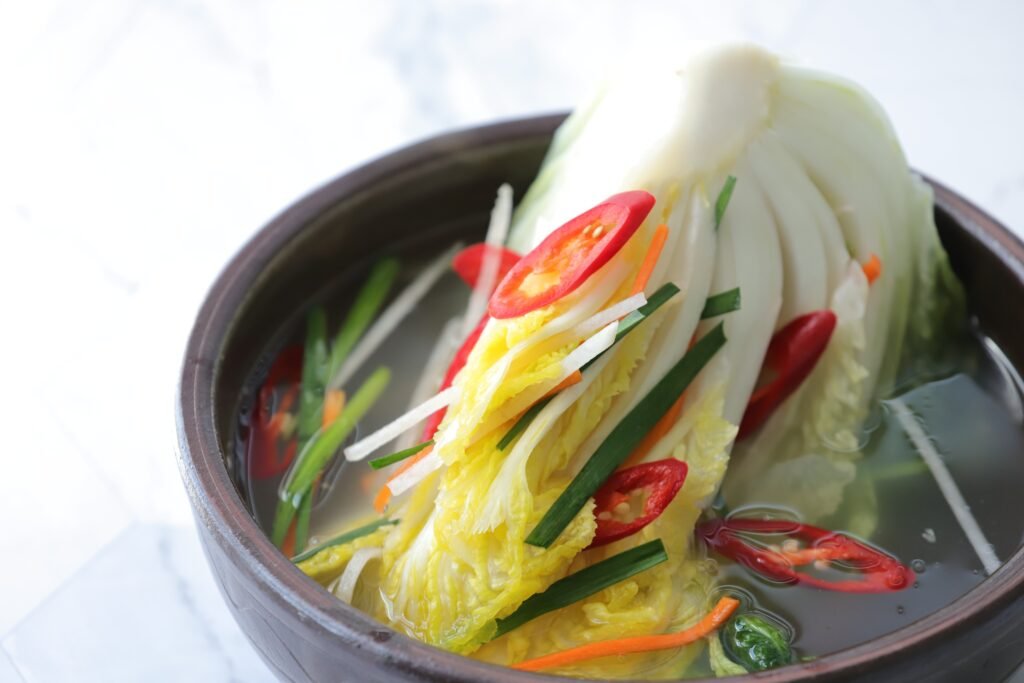
Kimchi
Each year before winter, families and neighbors come together to make kimchi in a long-standing custom called kimjang. And kimchi isn’t just the spicy cabbage kind. There are many mild varieties too, such as refreshing mul-kimchi in a clear, cool brine, and baek-kimchi, a white kimchi made without chili. Kimjang was inscribed on UNESCO’s list in 2013.
Taking your time and letting nature finish the flavor: fermentation is the way Koreans have always lived alongside nature.
Balance on a Single Table
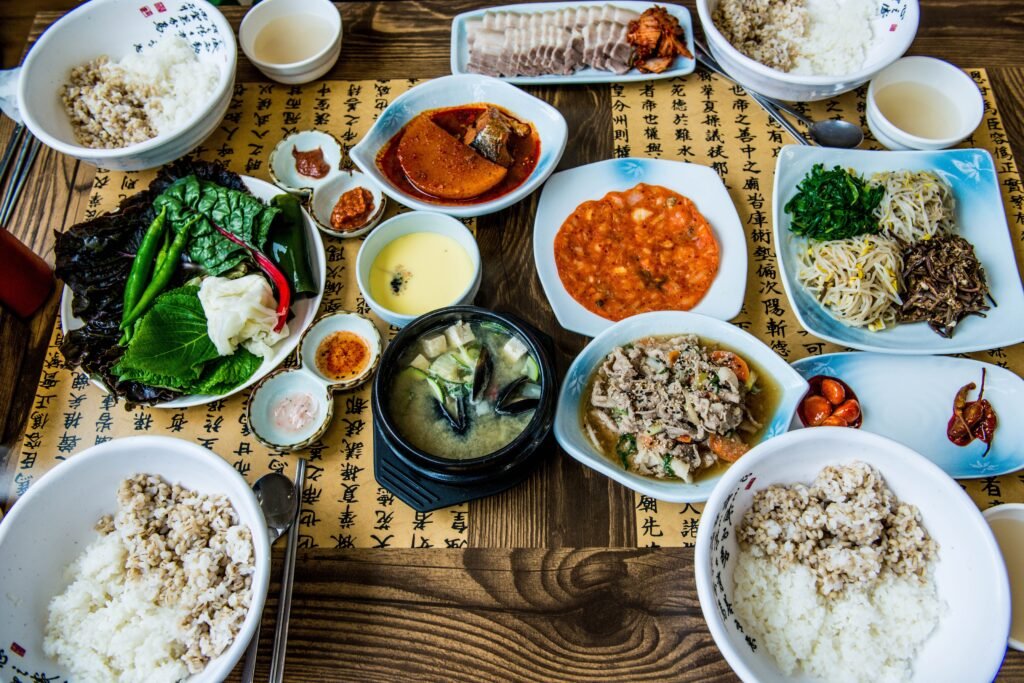
A Korean meal isn’t one dish on a plate. It’s a whole table, known as a sang.
Rice and soup sit at the center, surrounded by a variety of side dishes called banchan.
Grains and vegetables, fermented and fresh, warm and cool all come together naturally in balance. The banchan are placed in the middle and shared by everyone. A Korean table nourishes the body, and it’s also a place where people share their hearts.
There’s an old Korean saying, “Bap-i boyak,” which means “a good meal is the best medicine.” It reflects a long-held belief that eating good food, at the right time and in good balance, is the surest way to stay healthy.
Every Region Sets Its Own Table
Korea may be small, but each region’s table has its own character.
In Gangwon Province, the deep mountains left little room for rice paddies, so people cooked with potatoes, corn, and buckwheat, creating food that is simple and mild. Jeolla Province, with its broad plains and long coastline, is famous for generous spreads of banchan and deep, rich flavors. Gyeongsang Province developed a cuisine built around seafood from the East and South Seas. Chungcheong Province is known for honest, gentle, unpretentious food. And Jeju Island has preserved a food culture all its own, shaped by its island landscape and quite unlike anything on the mainland.
Even dishes with the same name can vary in ingredients and flavor from place to place. Getting to know Korean food is like traveling across the land itself.
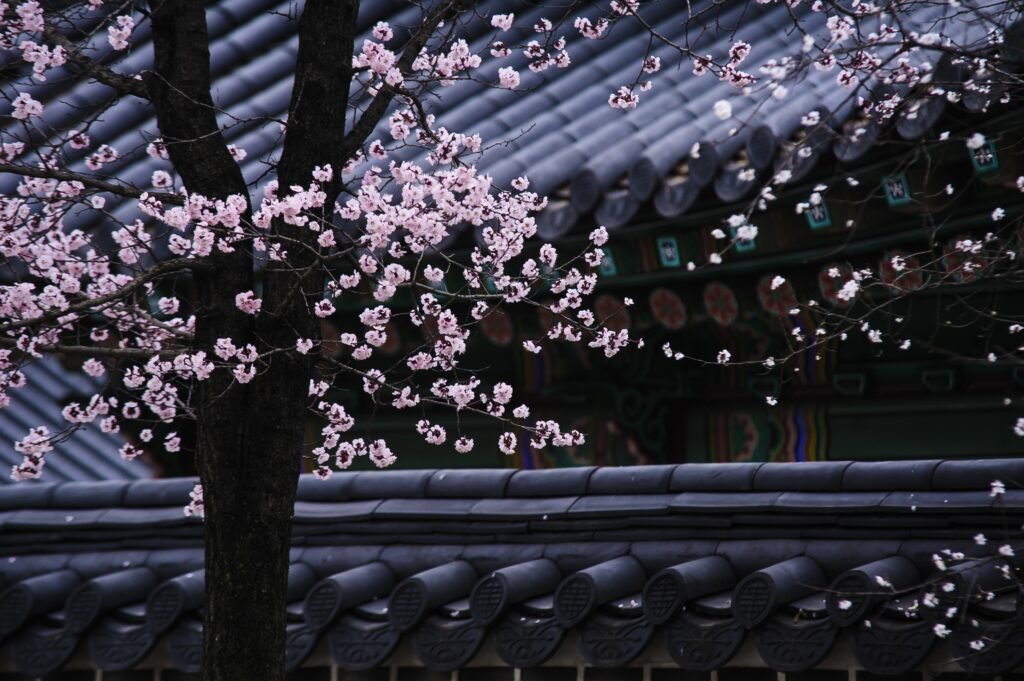
A Table That Follows the Seasons
Koreans have long eaten in step with the rhythm of nature.
On Jeongwol Daeboreum, the first full moon of the lunar new year, people ate five-grain rice and greens dried the previous year, wishing for good health in the months ahead. On the hottest days of summer, they restored their energy with warming dishes like samgyetang, a chicken and ginseng soup. At Chuseok, the autumn harvest festival, they shaped songpyeon rice cakes from the newly harvested grain to give thanks. And on Dongji, the winter solstice and the longest night of the year, they cooked red bean porridge to prepare for the year to come.
When the seasons change, so does the table. This is how Koreans have lived with respect for nature.
EASY ON TABLE
Korea beyond Seoul. Authentic Korean flavor beyond spice.
Through Easy On Table, we hope to bring food that carries the spirit of Korean nature and tradition to tables around the world, so that anyone can enjoy it easily and comfortably. Now, discover the real Korea at your own table, in the easiest way possible.